AI Sales Agent for WooCommerce: 7 Objections to Handle
A practical guide to the seven objections an AI sales agent for WooCommerce should handle before shoppers leave: shipping, returns, fit, price, trust, timing, and handoff.
A shopper can like a product and still leave because one question stays unanswered. Shipping time, return rules, sizing, compatibility, trust, payment safety, or price hesitation can stop the order before checkout. An AI sales agent for WooCommerce is useful when it handles those objections while the visitor is still on the page.
This guide shows the seven objections your store assistant should be ready to answer, plus how to write better responses without turning the chat into a pushy sales script.
Why an AI sales agent for WooCommerce should focus on objections first
Most product pages already explain what the item is. The harder job is removing the small doubts that appear after interest is created. A shopper may understand the product, but still wonder whether it arrives on time, fits their situation, or is worth the money.
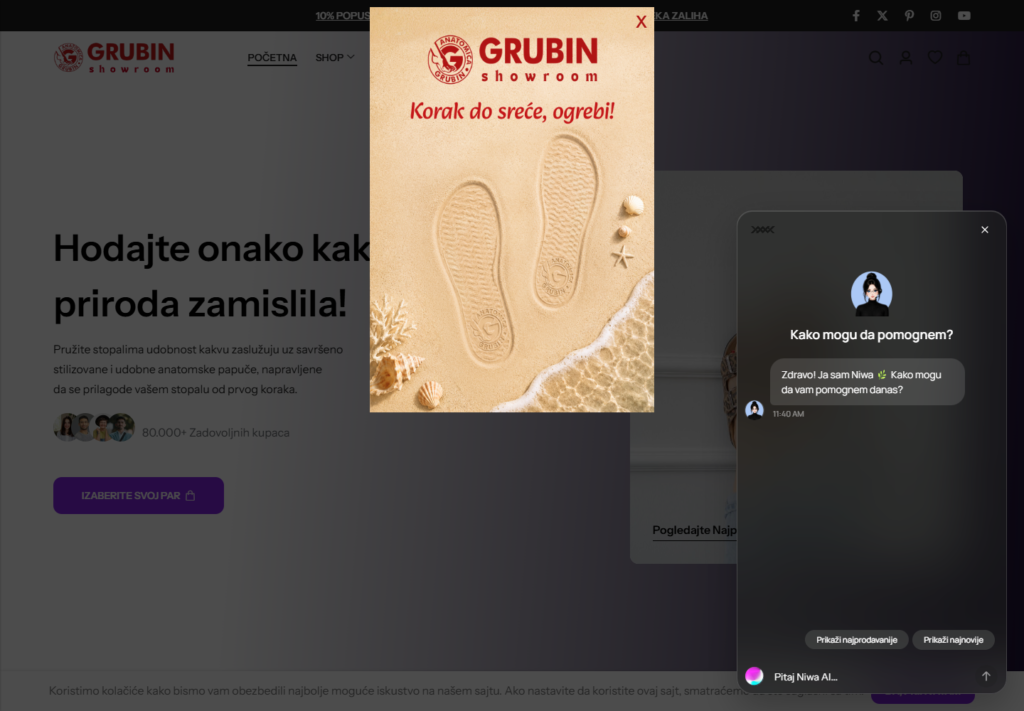
That is where Niwa AI fits best: as a proactive WooCommerce assistant that answers questions, recommends products, and helps customers move forward without waiting for email support.
The best AI sales agent does not “convince” every visitor. It gives the right answer at the moment doubt appears.
1. Shipping and delivery objections
“Will this arrive before Friday?” is often more important than a discount. If your AI assistant cannot answer delivery questions clearly, the customer may open another tab and buy from a store that makes timing obvious.
What the assistant should know
- available shipping methods and regions
- estimated processing time
- free shipping threshold, if you use one
- where to check tracking after purchase
A strong answer should be specific, but not overpromise. If delivery depends on the carrier or location, the assistant should say that and guide the shopper to the exact checkout step where the final estimate appears.
2. Return policy and risk objections
Many customers do not expect a perfect return policy. They expect a clear one. A short, calm explanation can remove more friction than a long legal page.
Your AI sales agent for WooCommerce should summarize the policy in plain language, then link to the full return page when needed. This is especially useful for categories where fit, color, size, or compatibility matters.

3. Product fit and comparison questions
A customer who asks “Which one should I choose?” is not browsing randomly. They are asking for a decision shortcut. The assistant should compare products by use case, not just list specifications.
| Customer doubt | Weak answer | Better AI answer |
|---|---|---|
| “Is this good for daily use?” | “Yes, it is high quality.” | “Yes, if you need X. Choose the other model if Y matters more.” |
| “What is the difference?” | “They are similar.” | “This one is better for speed; that one is better for budget.” |
| “Will it work with my setup?” | “Check the description.” | “It should work if your setup has A and B. If not, choose C.” |
This is why catalog awareness matters. Niwa AI can learn WooCommerce products automatically, so the assistant can guide shoppers using the store’s real catalog instead of giving generic advice.
4. Price hesitation and value objections
Price objections are not always about being too expensive. Sometimes the shopper simply has not understood the difference between the cheaper option and the better fit.
The assistant should avoid arguing. A better response explains value in practical terms: durability, saved time, better match, included support, bundle value, or fewer returns from choosing correctly the first time.
Useful price-objection responses
- Confirm the concern: “I get it — price matters.”
- Explain the difference: “This option costs more because…”
- Offer an alternative: “If budget is the priority, this other option may fit better.”
For stores using checkout incentives, the Niwa AI Conversion Booster concept is useful because it can support average order value without forcing every visitor into the same offer.
5. Trust, payment, and store credibility objections
First-time visitors often look for signs that the store is real. They may ask about secure payment, support availability, reviews, warranty, or how to contact a human.
Your AI assistant should answer these questions simply and point to the right proof: payment options at checkout, contact page, reviews, policy pages, or support details. If the answer is unknown, it should not invent reassurance. It should escalate or give the safest next step.
6. Timing objections before cart abandonment
Cart abandonment often begins before the cart is abandoned. The visitor slows down, compares options, or hesitates after adding items. A proactive assistant can step in with help before the session goes cold.
This is different from sending a recovery email later. The better moment is when the customer is still deciding and still has context in mind.
- Ask if they need help choosing between items.
- Clarify shipping, returns, or product fit.
- Suggest a matching item only when it makes sense.
- Keep the message short and easy to ignore.
7. Human handoff objections
Some questions should not be fully automated. Warranty exceptions, damaged orders, unusual compatibility problems, and high-value B2B requests may need a human.
A good AI sales agent for WooCommerce should collect the important context before handoff: customer question, product considered, order details if available, urgency, and preferred contact method. That turns support from a cold start into a useful conversation.
Conclusion: build the assistant around the sale blockers
An AI sales agent for WooCommerce works best when it is trained around real buyer hesitation: delivery, returns, fit, price, trust, timing, and escalation. Start with those seven areas before writing clever promotional messages.
If your store loses visitors who had interest but needed one more answer, Niwa AI can help turn product questions into clearer buying decisions without adding more support workload.