What Should I Track Before Increasing My Ad Budget?
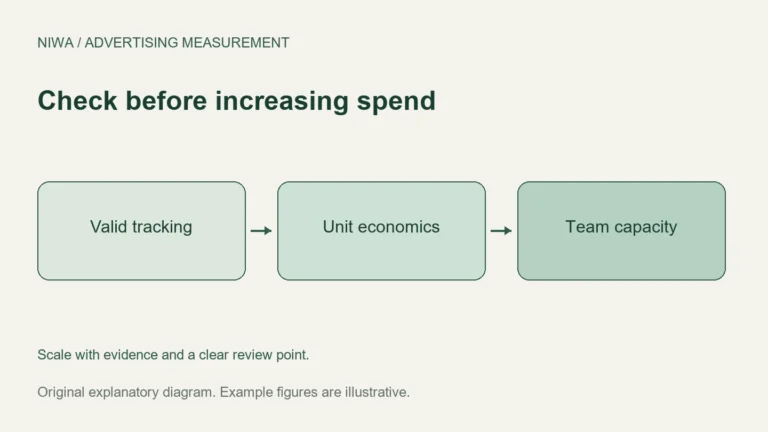
Check tracking accuracy, qualified leads, paid customers, margin and sales capacity before scaling ads. Use mature cohorts and a defined review plan.


Practical guides on WordPress, AI, e-commerce, and building better customer journeys.
Check tracking accuracy, qualified leads, paid customers, margin and sales capacity before scaling ads. Use mature cohorts and a defined review plan.
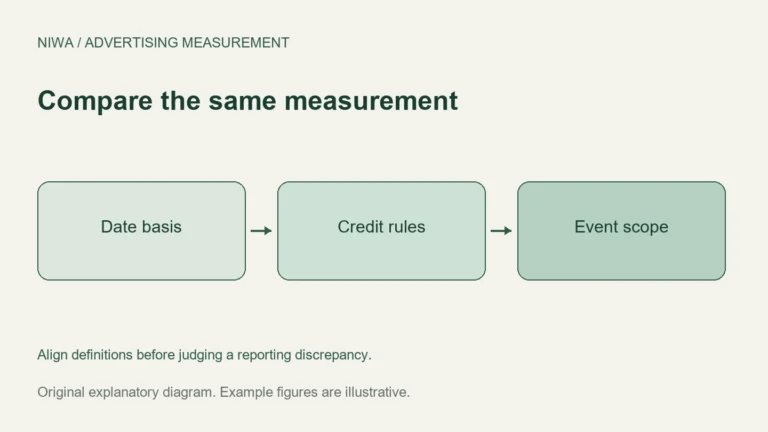
Understand mismatched ad and analytics reports by checking event scope, attribution, dates, identifiers and actual orders before changing budgets.
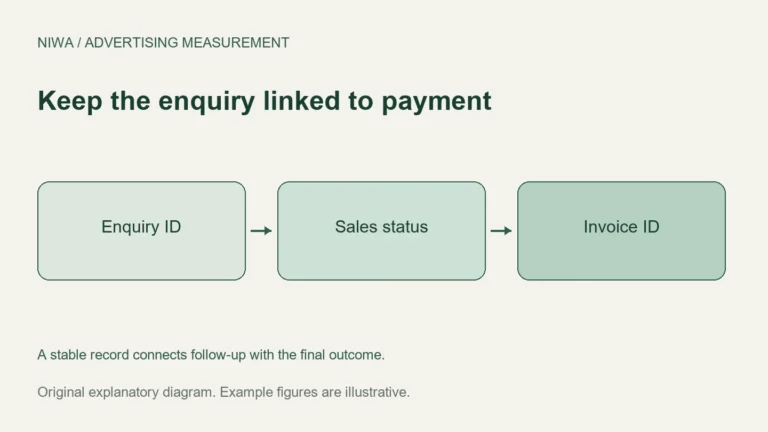
Keep a stable enquiry record through qualification, follow-up and payment. Match leads to invoices without treating every form or booking as a sale.
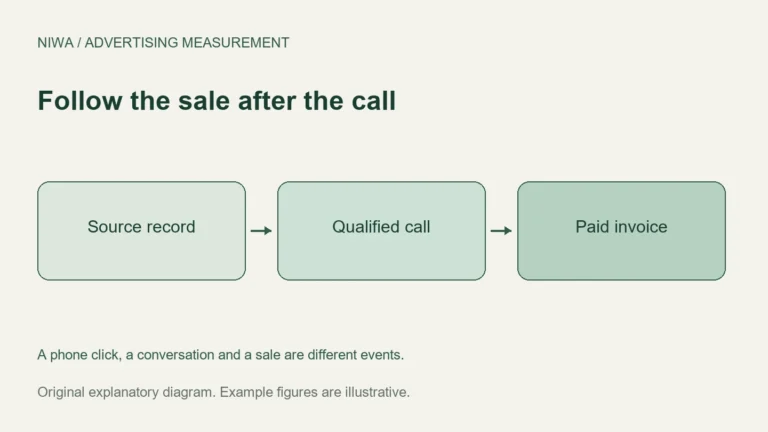
Connect a call’s advertising source to its lead record and paid invoice. Learn the difference between phone clicks, real calls and offline sales.
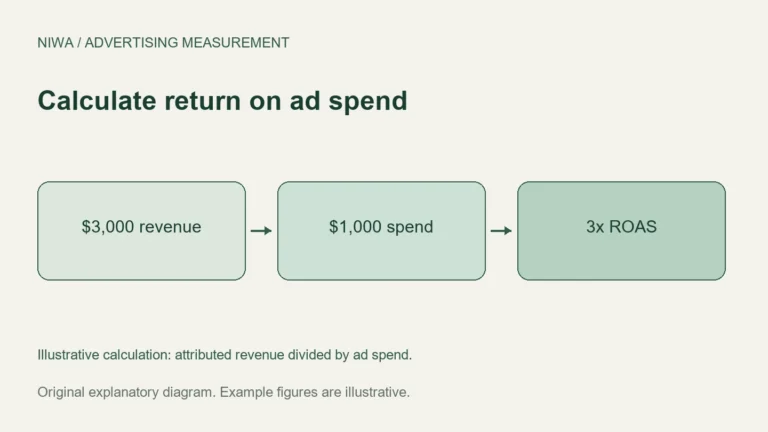
Calculate ROAS from attributed revenue and ad spend. Choose a consistent revenue basis, account for refunds and use margin to assess profitability.
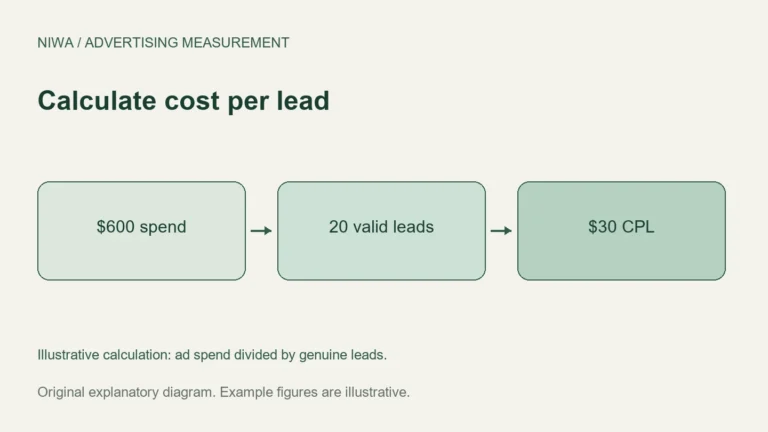
Calculate cost per lead using a clear spend scope and genuine leads. Compare qualified CPL, weighted totals and an affordable lead-cost limit.
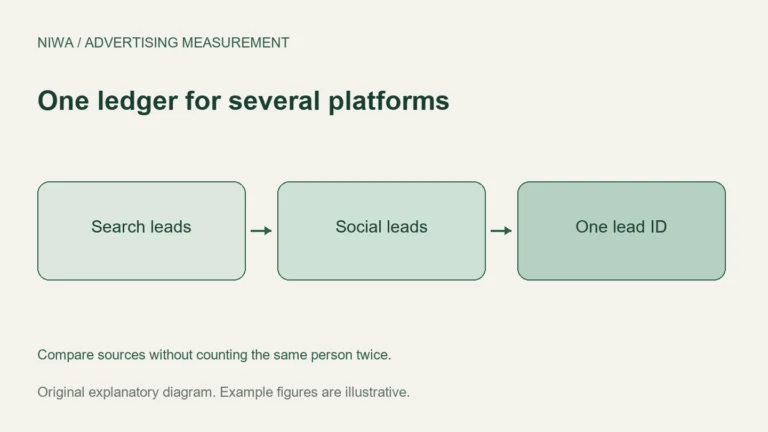
Combine paid-platform leads in one consistent ledger. Keep source data, remove duplicate enquiries and compare qualified leads and customers.
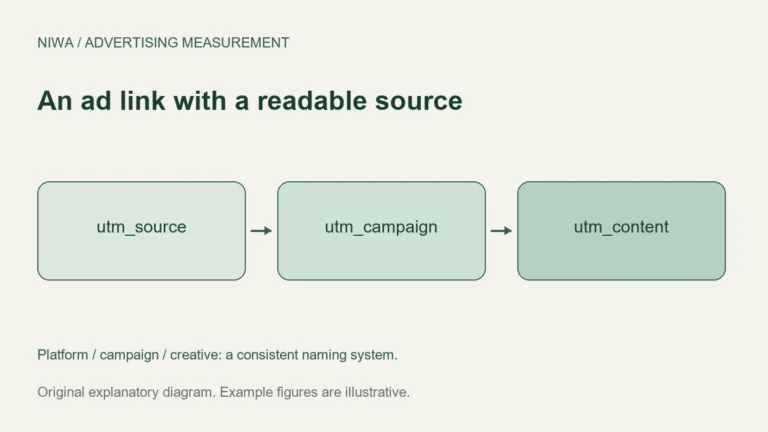
Build a UTM-tagged ad link with source, medium, campaign and creative labels. Test redirects, existing parameters and private-data mistakes.
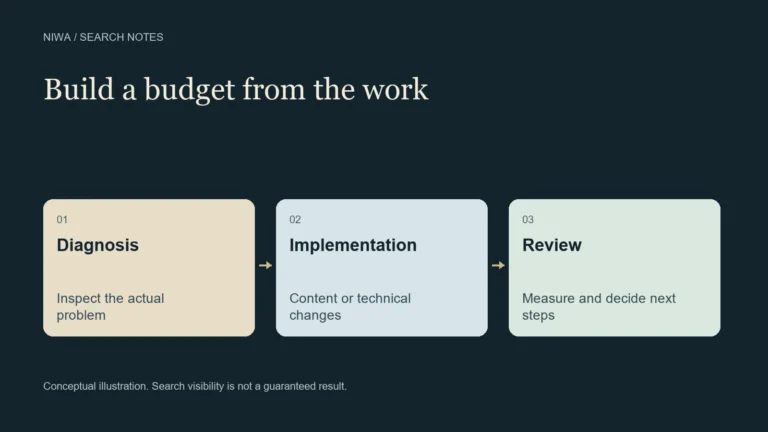
See three US SEO service prices checked in October 2026, compare monthly scope and contract terms, and build a small-business budget for the work needed.
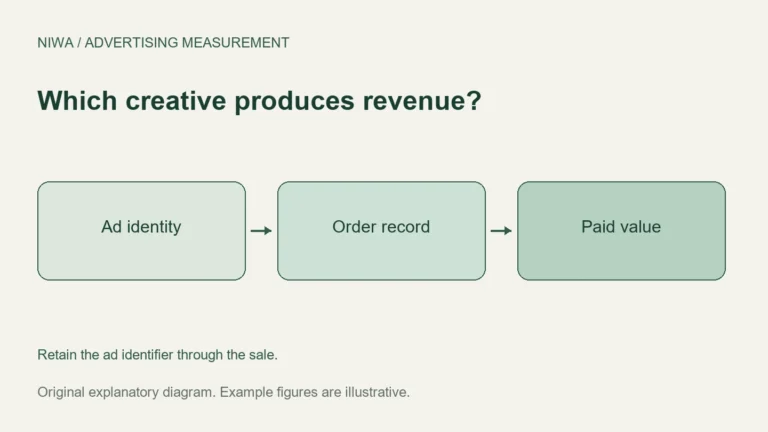
Connect ad and creative identifiers to paid orders or invoices. Compare revenue, refunds and customer acquisition without confusing leads with sales.